The Structure of Artificial Revolutions
Kuhn showed that science changes by revolutions, not by accumulation. AI has just made the first draft of knowledge free. What counts as a contribution now?
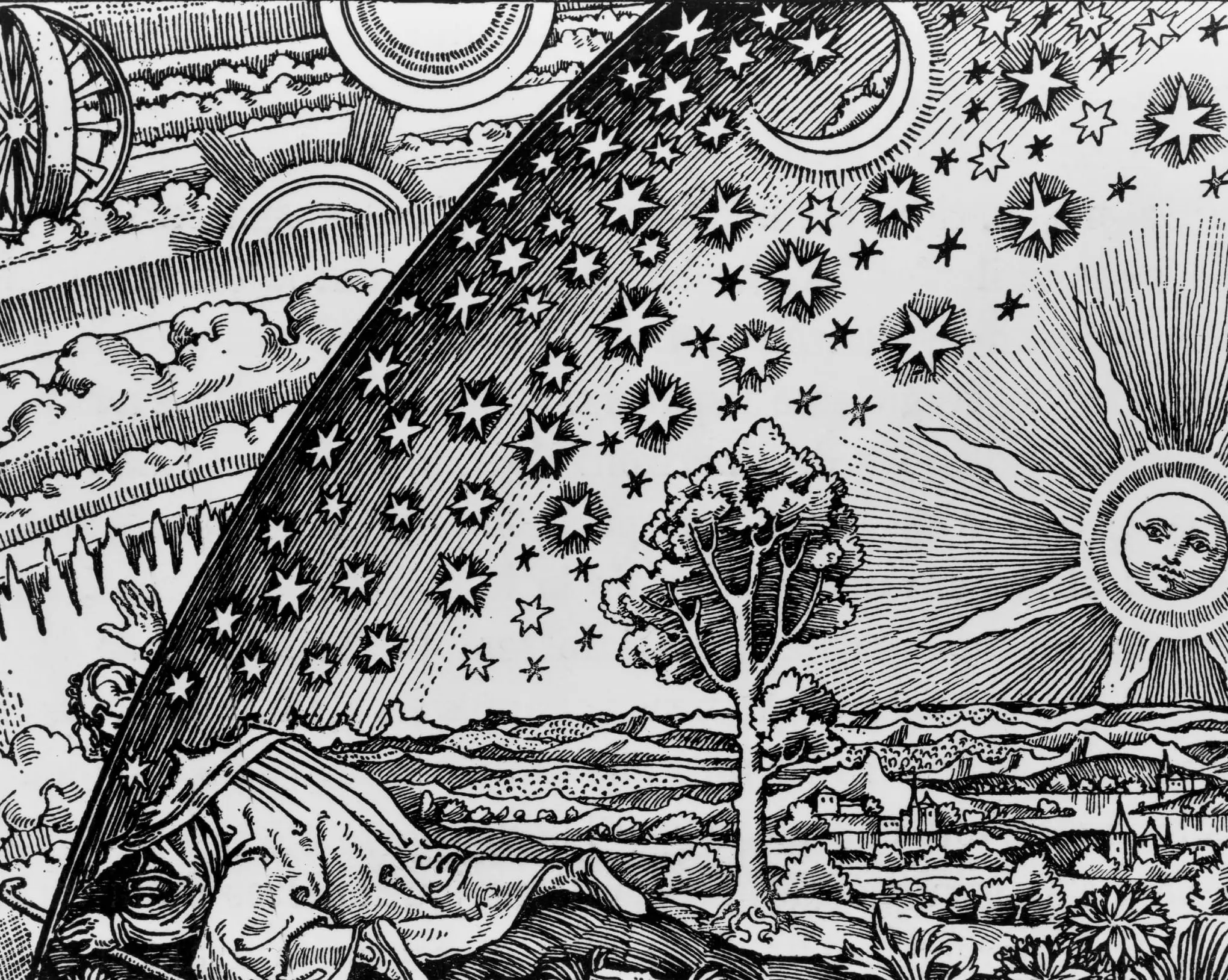
In 1962 a physicist turned historian published a short book inside an encyclopedia run by the very philosophers it would later be accused of dethroning. More than sixty years on, it reads like a manual for the moment we are living through.
Thomas Kuhn’s The Structure of Scientific Revolutions came out as a volume of the International Encyclopedia of Unified Science, the house project of the logical positivists. Its argument was simple and unsettling: science does not grow by piling fact upon fact. It works for long stretches inside a paradigm, a shared way of seeing that tells researchers which questions are worth asking, and then, every so often, it breaks.
Normal science
Most of the time, Kuhn says, scientists are not revolutionaries. They solve puzzles. The paradigm guarantees that a solution exists, and the work consists in finding it with ingenuity and patience. He called this normal science, and he did not mean it as an insult: it is the engine that turns a vision into a body of knowledge.
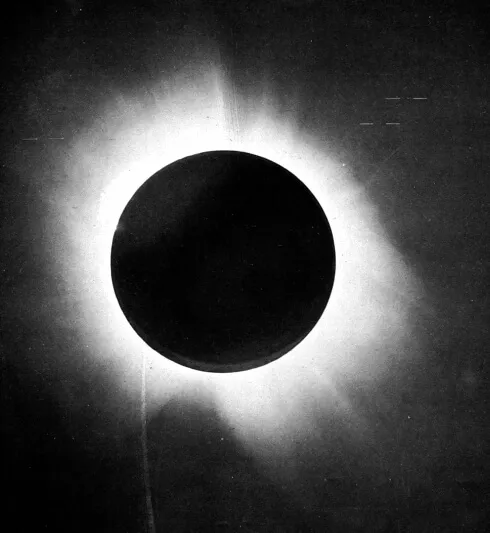
The trouble starts with anomalies, results that refuse to fit. For a while they are ignored, explained away or filed as noise. When they pile up, the field enters a crisis, and a new paradigm wins not because it answers every question but because it promises to answer the ones that now matter.
The first draft is free
Something similar is happening to intellectual work. For centuries, producing a competent first draft, of an essay, a contract, a program or a literature review, took time, training and money. That cost was the moat. It decided who could take part and what a contribution looked like.
Language models have made that draft almost free.1 Not the final version, and not the judgment about whether it is right, but the first pass: the summary, the scaffolding, the plausible paragraph. When the floor rises that fast, the old measures of value stop working, and nobody has agreed yet on the new ones.
When drafting costs nothing, the scarce thing is no longer the answer. It is the question worth asking.
Kuhn would recognise the symptoms. The anomalies are everywhere: students who hand in flawless work they cannot defend, companies that ship more code and understand less of it, readers who can no longer tell whether a text was thought or merely produced.
What counts as a contribution
If the draft is free, three things become valuable:
- The question. Choosing what deserves attention is now most of the work.
- The judgment. Telling a true paragraph from a plausible one requires knowing the field from the inside.
- The responsibility. Someone still has to sign, defend and correct what gets published.
None of these is new. What is new is that they used to hide behind the labour of drafting, and now they stand alone. The next paradigm of intellectual work will be built around them, whether we design it on purpose or let it happen to us.2
Notes
Clap if it got you thinking